Digital Catapult and The Royal United Services Institute (RUSI) have signed a joint Memorandum of Understanding (MoU) to help strengthen and shape the future of UK defence and security innovation, according to a 27 August release.
The two organisations will explore collaboration to connect policy with the practical adoption of new frontier technology-led solutions through research, roundtables and joint events. The agreement will identify pathways to growth for the sector and facilitate knowledge exchange, helping to shape the future of the UK’s defence and security capabilities by bringing together RUSI’s expertise in defence and security policy and analysis with Digital Catapult’s extensive network of deep tech startups, technologists and innovators from across the UK.
With renewed investment in the defence industry and recent government funding announcements underscoring defence and security as a top priority for the UK, collaboration between the public sector, academia, industry and the innovator ecosystem will be critical to helping the industry overcome technical obstacles and access future funding opportunities. This partnership will strengthen these relationships by creating a framework for strategic discussion and knowledge exchange, helping businesses scale while informing security policy decisions.
Through initiatives such as the Defence Testbed Accelerator, Digital Twin Adoption Accelerator, and the Quantum Technology Access Programme, Digital Catapult has supported defence primes and startups within the sector to test and deploy advanced digital technologies in research, logistics and manufacturing operations, and has worked with MoD and the armed forces on projects to test deep tech solutions in all domains.
“The partnership between RUSI and Digital Catapult underscores the vital role of practical innovation to develop technology for both national security and wider society. Our closer relationship will bring together RUSI’s globally recognised research on cyber and technology policy issues with Digital Catapult’s important role in accelerating technology adoption and innovation at scale. Together, we can both contribute even more to strengthening UK national security and defence innovation,” explained RUSI’s Director of Cyber and Tech, James Sullivan.
DA Comment
This is a first-class initiative – one that deserves to enjoy maximum success. But achievement of the laudable objective will not be as simple as saying “we’re going to improve the issue through collaboration.” Perhaps the most important contribution these two organisations can make is in finding an effective and sustainable method of encouraging pertinent entities to collaborate. Recent experience of ambitious European programmes foundering on the rocks of national sovereignty, industrial self-protection and failure to harmonise requirements effectively provide object lessons in managing so complex and intangible a project. While sovereignty issues will not affect a UK-centric programme, it is nonetheless going to be a steep hill to climb to get to the end game of improved engagement, faster iteration at scale and cost-effective solutions delivered to the point of need.
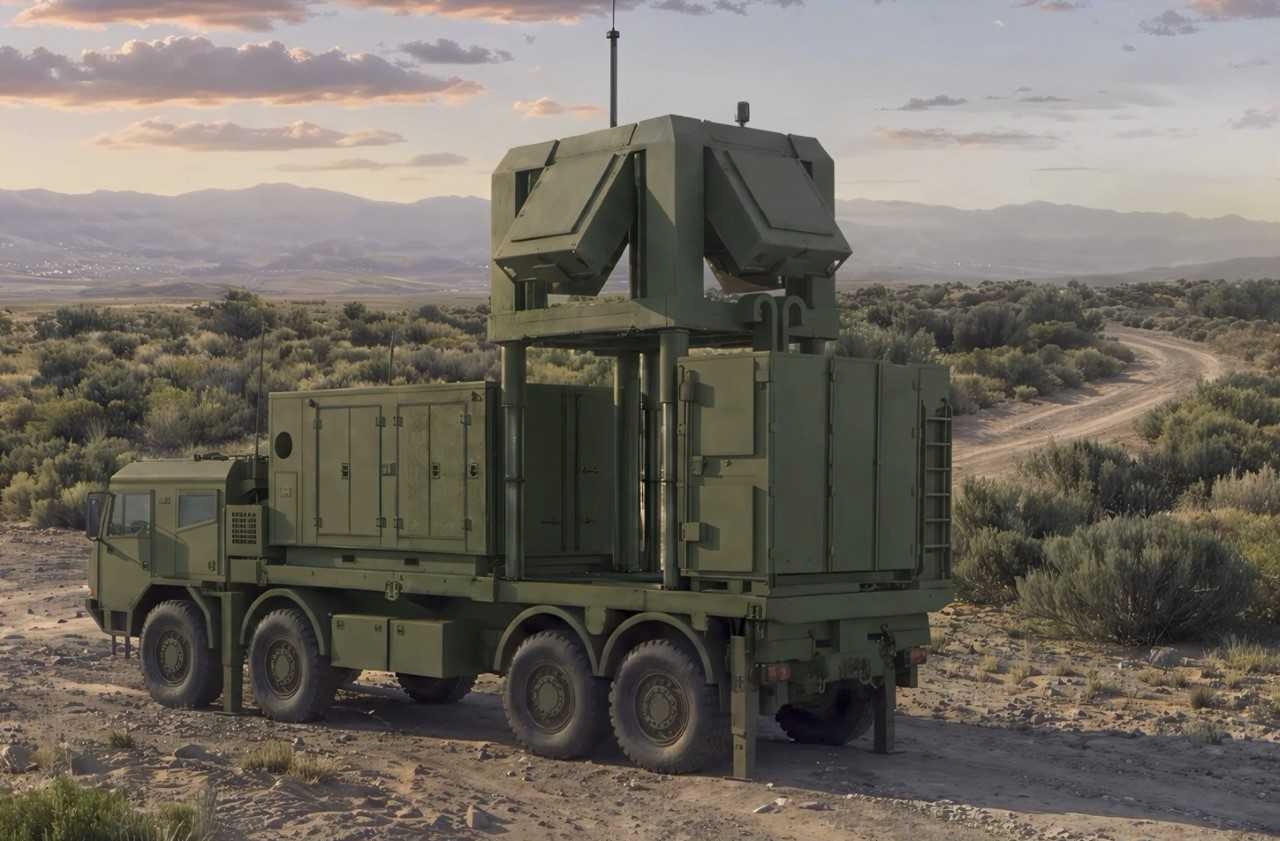
Headline image, generated by AI for Defence Alternatives, illustrates the complex ecosystem of entities that need to be harnessed, enabled and empowered in order to achieve the laudable ambition of the recently-announced partnership.