Tim Mahon
When Donald Trump described a prospective agreement as a “very big” deal, covering not just Ukraine but “all of Europe,” continental capitals did not treat it as merely Trumpian noise. They treated it as a negotiating position to be countered a proportionate reaction. The format itself was the message. The Abu Dhabi round that opened on 10 November was trilateral, with Washington, Moscow and Kyiv participating: the first such talks since February. Russia’s chief negotiator, Vladimir Medinsky, was blunt that Europe had no defined standing in the room. “No, we did not communicate with them,” he said of European representatives. “We don’t really understand in what capacity they are here.”
That sentence, more than any leaked draft, is the answer to the question. Moscow’s preferred geometry for ending the war in Ukraine is a room with three chairs, one of them American. Europe’s forty-year security architecture is what is being priced.
There are three layers of exclusion worth separating
The first is procedural: who sits where. Here the picture is genuinely murkier than the alarm suggests, because the Americans pushed back the other way. Trump’s envoys Steve Witkoff and Jared Kushner pressed Moscow to let Europe into the next round, with one US official saying plainly: “We need Europe at the table.” The EU, France, Germany, Italy, the UK, Ukraine, the US and NATO met separately in Abu Dhabi on 10 November and issued a joint statement insisting any arrangement “must respect sovereignty, territorial integrity [and] independent decision-making,” backed by credible security guarantees. Europe’s seat is contested, not empty.
The second layer is substantive and is the one that matters. Territory and security guarantees were the two items in focus in Abu Dhabi: on both, Europe’s interests and Ukraine’s are not identical to Washington’s. A ceasefire line frozen where the fighting stops is a European border question. A limit on Ukraine’s future alignment is a European security question. If those terms are bilaterally pre-arranged and Europe is invited to give a post-agreement benediction, the procedural concession is pure theatre – a situation not necessarily anathematic to the two superpowers.
The third layer is Moscow’s own strategy, which is not really about Europe’s seat at all. Russia’s objection to European participation (which fundamentally is that Europe’s military support for Ukraine disqualifies it as a serious interlocutor) is a peremptory demand that the party paying the highest bill for the war’s outcome be treated as a bystander. The Kremlin’s parallel complaint (that Europe cannot decide who speaks for it) is a partially fair point, and a deliberate one: an unrepresented bloc is easier to ignore.
The question Europe should be asking
The interesting shift is that European leaders have ceased asking to be included and begun acting like parties with their own leverage. Norway’s Jonas Gahr Støre and Finland’s leadership opened a direct channel to Putin. Poland’s Radosław Sikorski demanded a ceasefire before any discussion of Europe’s security architecture and said outright that “Putin does not have a veto over European security.” Ursula Von der Leyen framed the issue by stating that NATO allies and EU members belong in any “meaningful discussions about Europe’s security architecture,” which is a claim of right, not a request for permission.
Washington and Moscow have quite clearly been negotiating in a format designed to keep the hardest trade-offs inside a small room. A more accurate reading, perhaps, is that the US is trying to close a deal and Europe is refusing to be the object of it rather than a party to it. The danger is not a secret treaty signed over Europe’s head. It is a public one, drafted fast, with European consent assumed rather than secured and a prisoner exchange likely announced as a deliverable while the questions that decide the continent’s next thirty years remain unresolved.
Europe’s task is to arrive at the table with a single negotiator and a real offer on security guarantees. Neither exists yet, and Moscow will exploit that lack for all it is worth.
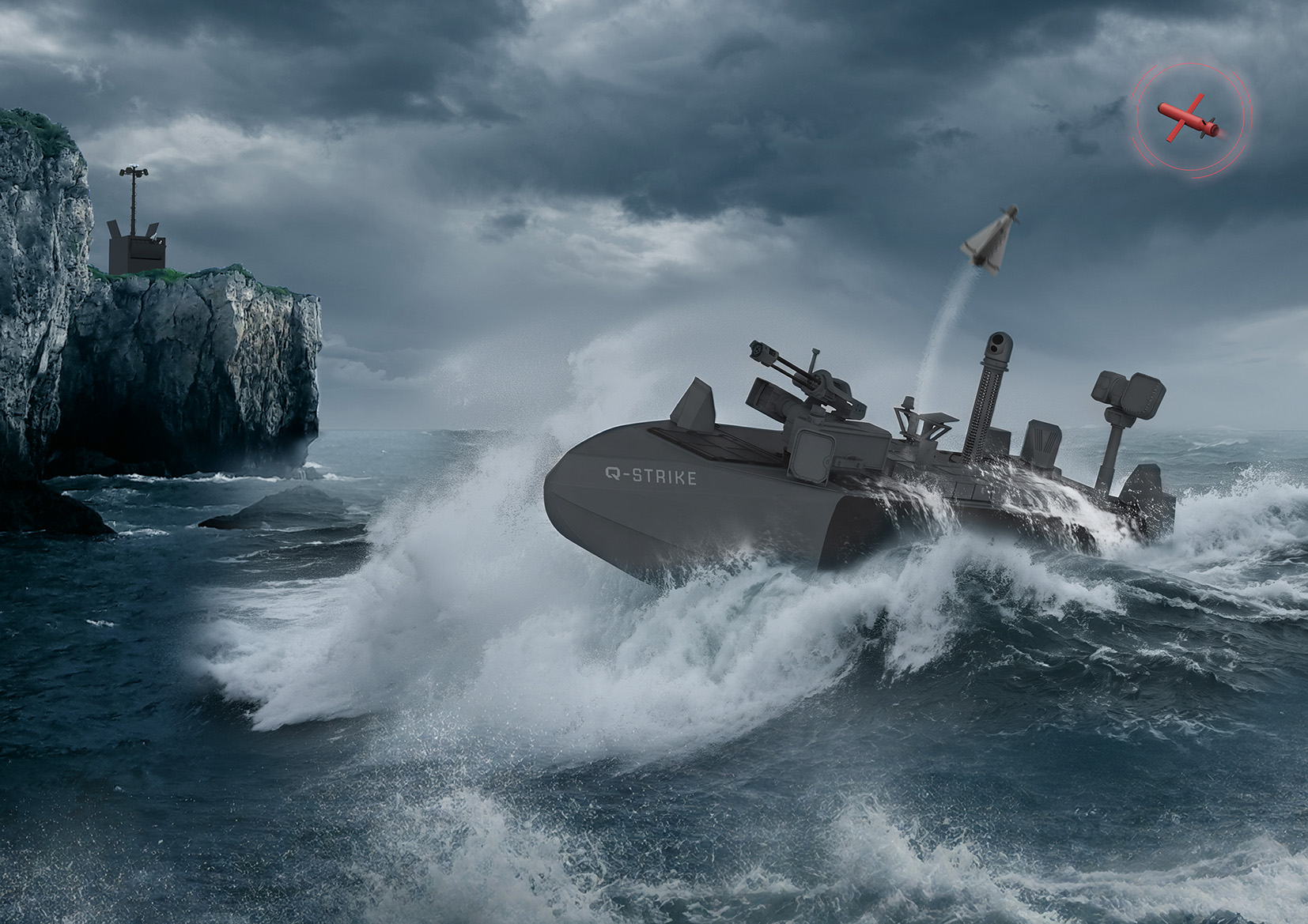
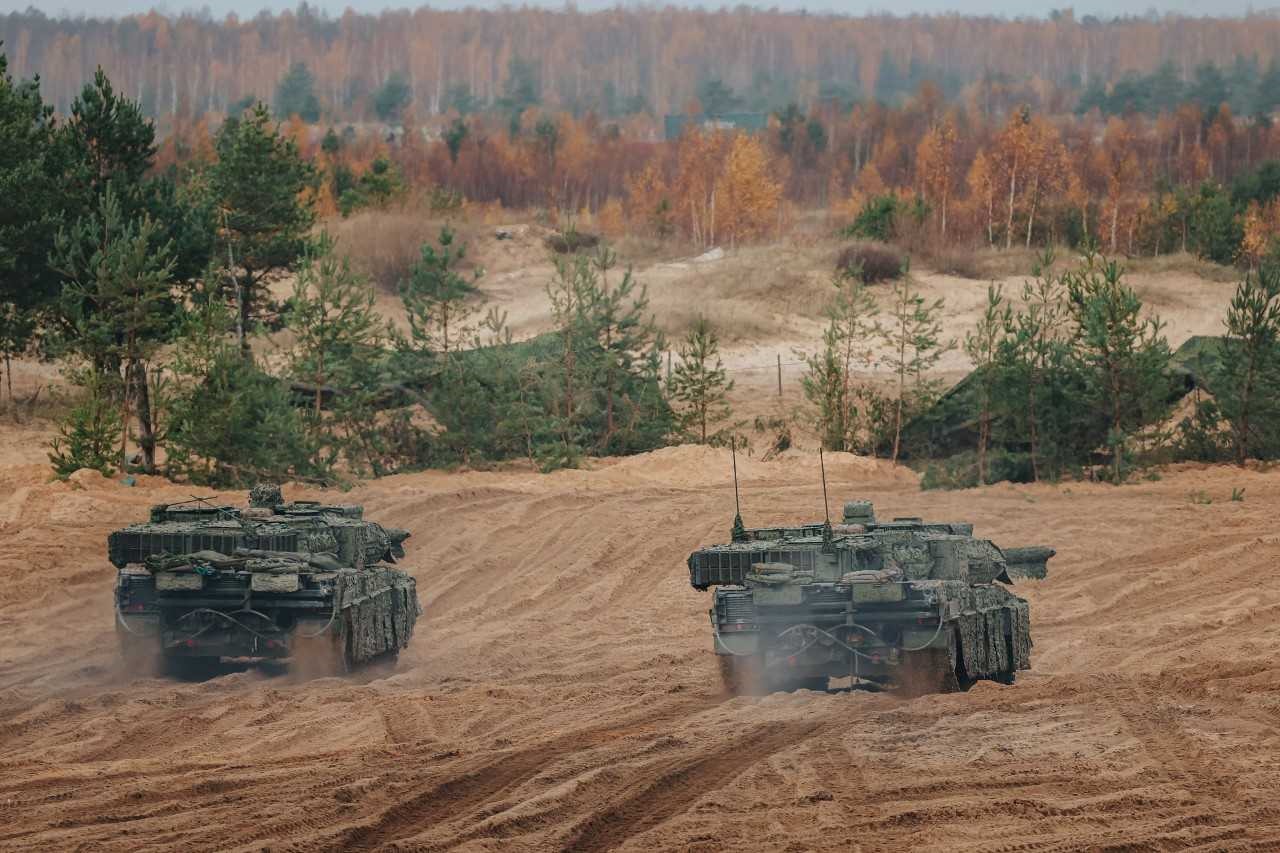
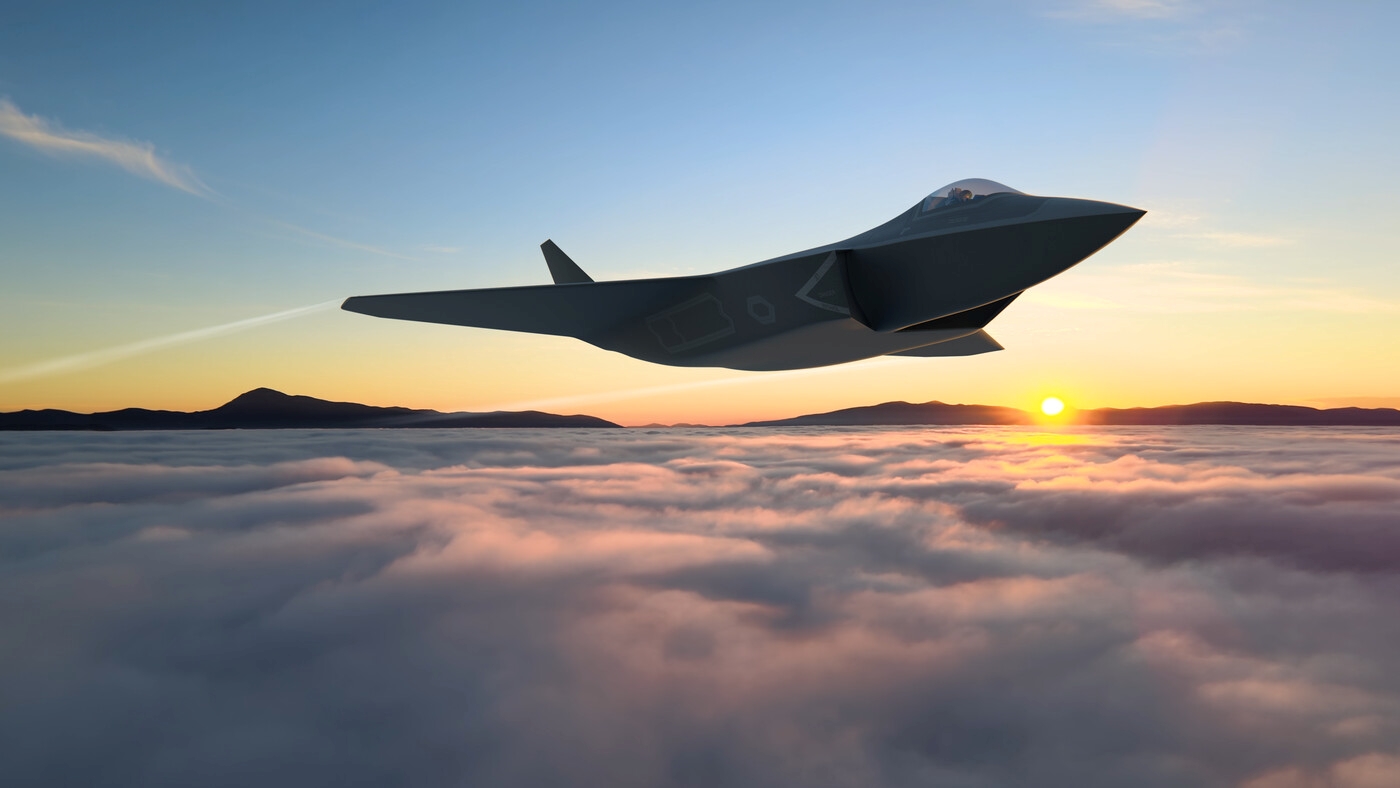
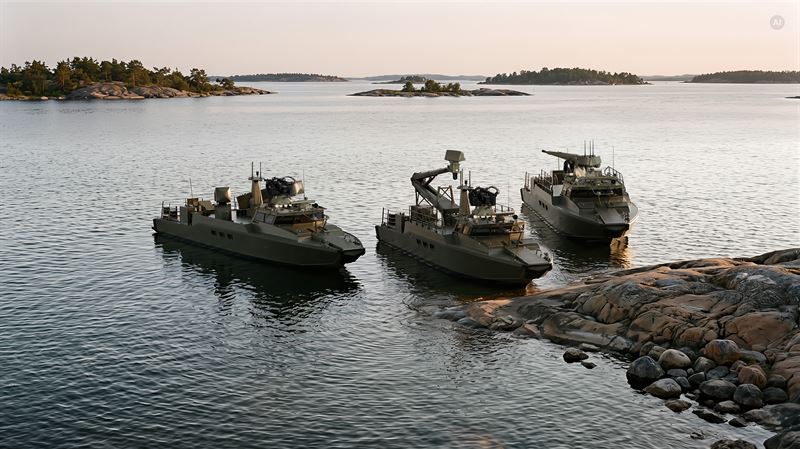
The image – generated by AI for Defence Alternatives – is illustrative only, emphasising some of the points raised above and makes no claim to portray actual events.