Mitsubishi Heavy Industries, Ltd. (MHI) and NEC Corporation (NEC) announced signature of an MoU on 2 September aimed at advancing a strategic partnership in the defence sector – previously a much neglected sector of the Japanese economy but one taking on increased importance in recent years as Japan seeks to strengthen and transform its defensive capabilities.
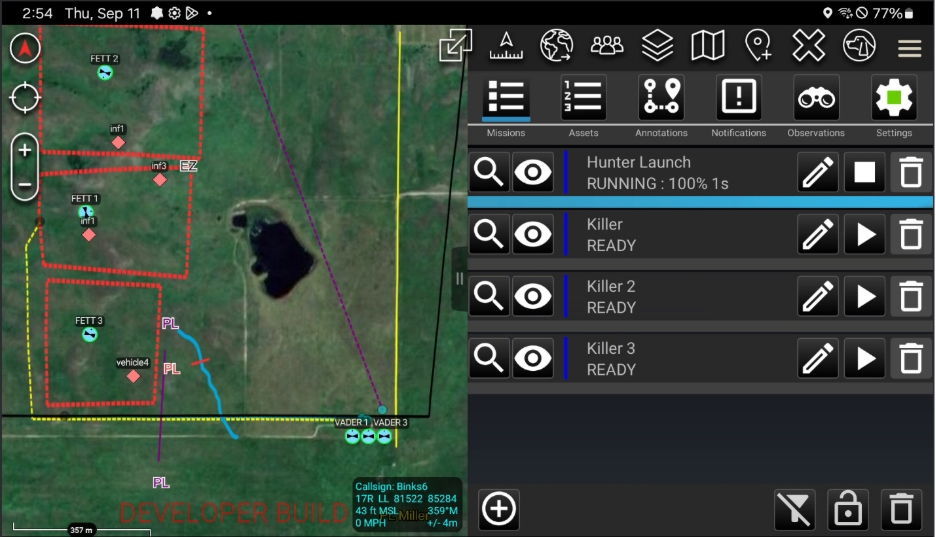
According to the companies, the early fruits of their combined efforts will likely be seen in the areas of operational planning and command and control as well as in uncrewed platforms and assets. The stated objective is to strengthen Japan’s defence industrial base and establish data and AI sovereignty.
As political opinions have evolved in Japan in light of the changing geopolitical environment in the last decade or more, so the nation’s Self-Defence Forces and the Ministry of Defence have focused attention on improving the resilience and comprehensiveness of its defensive capabilities. Against this background, prominent companies within the defence industrial base are accelerating and reinforcing plans to support national security through addressing the evolving paradigms of modern conflict – specifically, in this case, the issues of sovereignty and reliability of data and AI and vastly increased use of uncrewed assets. The proliferation of AI, increased utilisation of cloud operations and a heavy focus on battlefield command and control are areas in which both NEC and MHI hav stated the collaboration will concentrate. “This partnership marks an important step toward realising a truly sovereign and highly reliable defence system that brings together Japan’s technologies and expertise,” explained Takayuki Morita, President and CEO, NEC Corporation. Eisaku Ito, President and CEO, Mitsubishi Heavy Industries, Ltd., added: “Together, we will support safety and security, contribute to the further strengthening of defence capabilities and [to] the sustainable development of security infrastructure.”
DA Comment
It would be an error to categorise Japan as being ‘late to the party’ in making this move. It is worth remembering that the first at-scale deployment of UAVs in the world was in Japan – albeit in the agricultural spraying sector – and the nation has considerable expertise in the development of complex software systems. The two companies in this partnership can be expected to move quickly and with carefully planned investment of resources, effort and cash towards a tangible result that will make a measurable difference to Japanese self-defence.
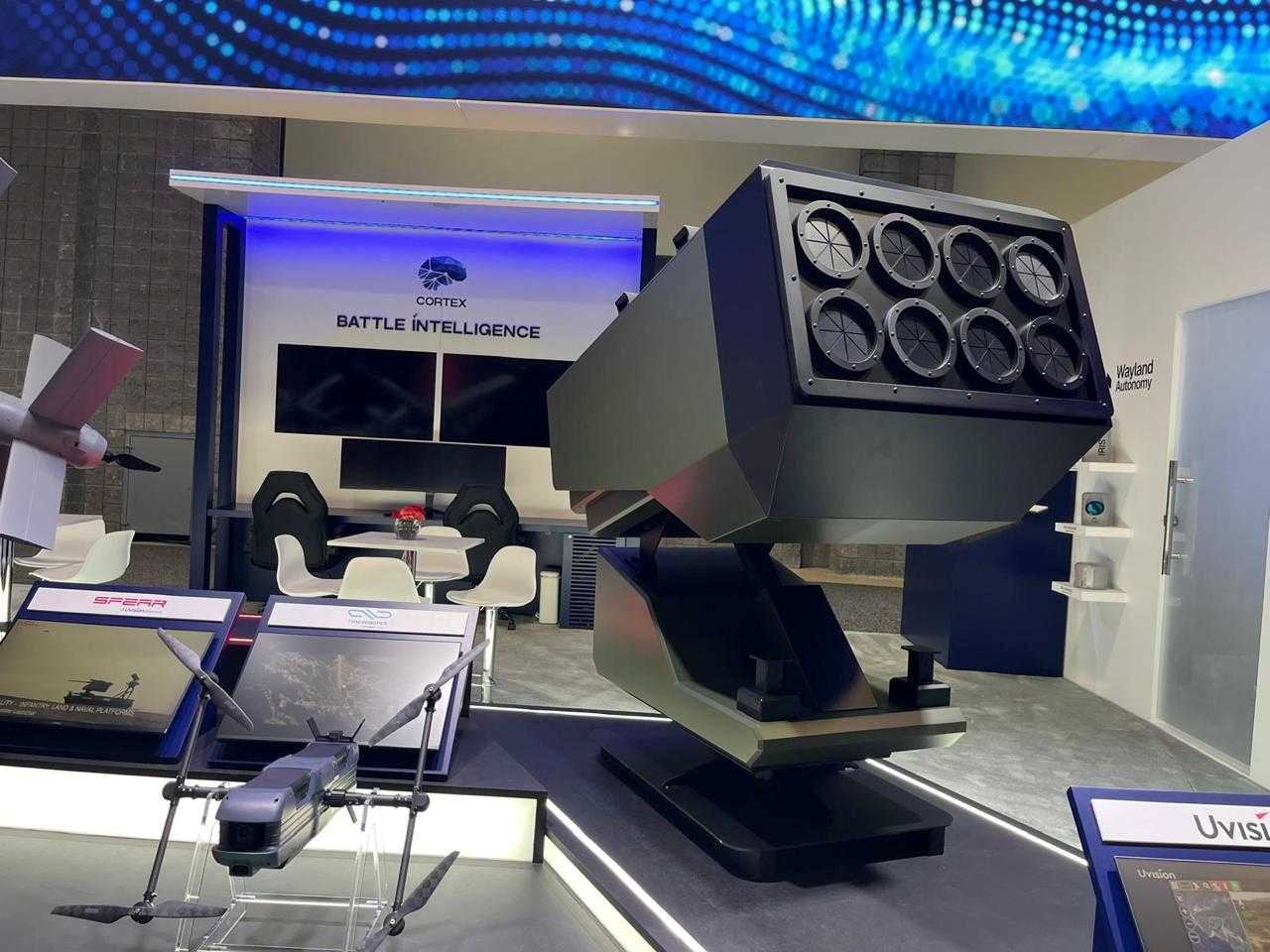
Headline image shows one aspect of MHI’s developments in the UAS sector. (Mitsubishi Heavy Industries, Ltd.)