Correspondent-at-Large Andrzej Marszewski reports from Kielce, Poland
For Britain, the most important lesson from MSPO lies behind the weapons displayed in the exhibition halls.
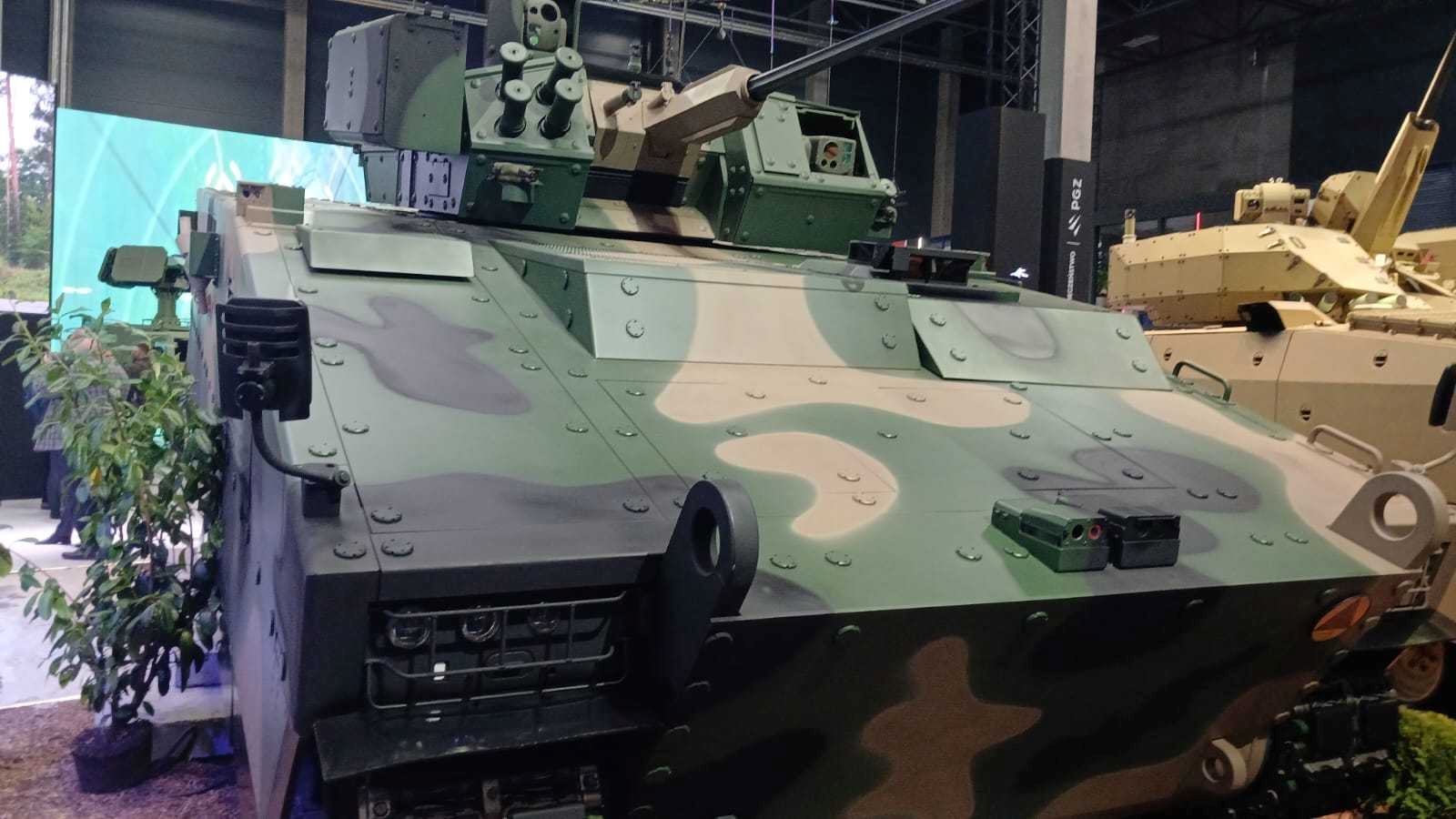
Poland is not merely buying tanks, missiles and artillery. It is creating the industrial capacity required to sustain Europe’s largest land army during a prolonged crisis. Warsaw increasingly asks where equipment will be manufactured, who will maintain it and whether its ammunition can be replenished in wartime. According to Reuters, Polish procurement from domestic companies, including regional joint ventures, has risen almost fourfold since 2022. Production inside Poland is becoming a strategic requirement rather than a politically useful addition to a contract.
This creates opportunities for British companies in air defence, EW, counter-UAS, communications and autonomous platforms. But Warsaw is unlikely to remain satisfied with equipment manufactured in Britain and shipped east. It increasingly expects technology transfer, Polish subcontractors, local production and some control over future development.
BAE Systems’ involvement in expanding Polish production of 155 mm artillery ammunition illustrates the point. Poland gains British expertise while developing manufacturing capacity on its own territory. The arrangement strengthens NATO, but also presents Britain with an uncomfortable comparison. Britain is helping an ally develop greater industrial sovereignty while struggling to restore its own ammunition stocks. Delays at the Glascoed munitions facility in Wales expose the distance between claims about readiness and the capacity needed to sustain it.
Factories cannot be improvised after a crisis begins. Neither can skilled workers be easily found, specialist machinery installed, explosives production increased or supply chains quickly made more resilient. These issues determine how long armed forces can continue fighting once existing stockpiles have been consumed.
Ukraine has shown that modern warfare combines technological sophistication with enormous material demand. Drones matter – but so do shells, spare parts and repair facilities. A country unable to replicate essential equipment becomes dependent upon allies whose stocks may already be under pressure.
Britain still tends to separate procurement from national resilience. Equipment is ordered through one process, industrial policy considered through another and mobilisation treated as a remote contingency. A credible war-fighting plan must connect all three.
Britain cannot manufacture everything domestically. It must identify the ammunition, missiles, drones and repair capabilities that cannot safely depend upon fragile overseas supply chains.
MSPO presents Poland as both customer and emerging producer. Britain should welcome that development, while recognising its challenge. Poland treats defence industry as part of national mobilisation. Britain continues to speak about readiness while rebuilding the means of sustaining it too slowly.
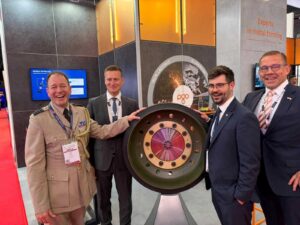
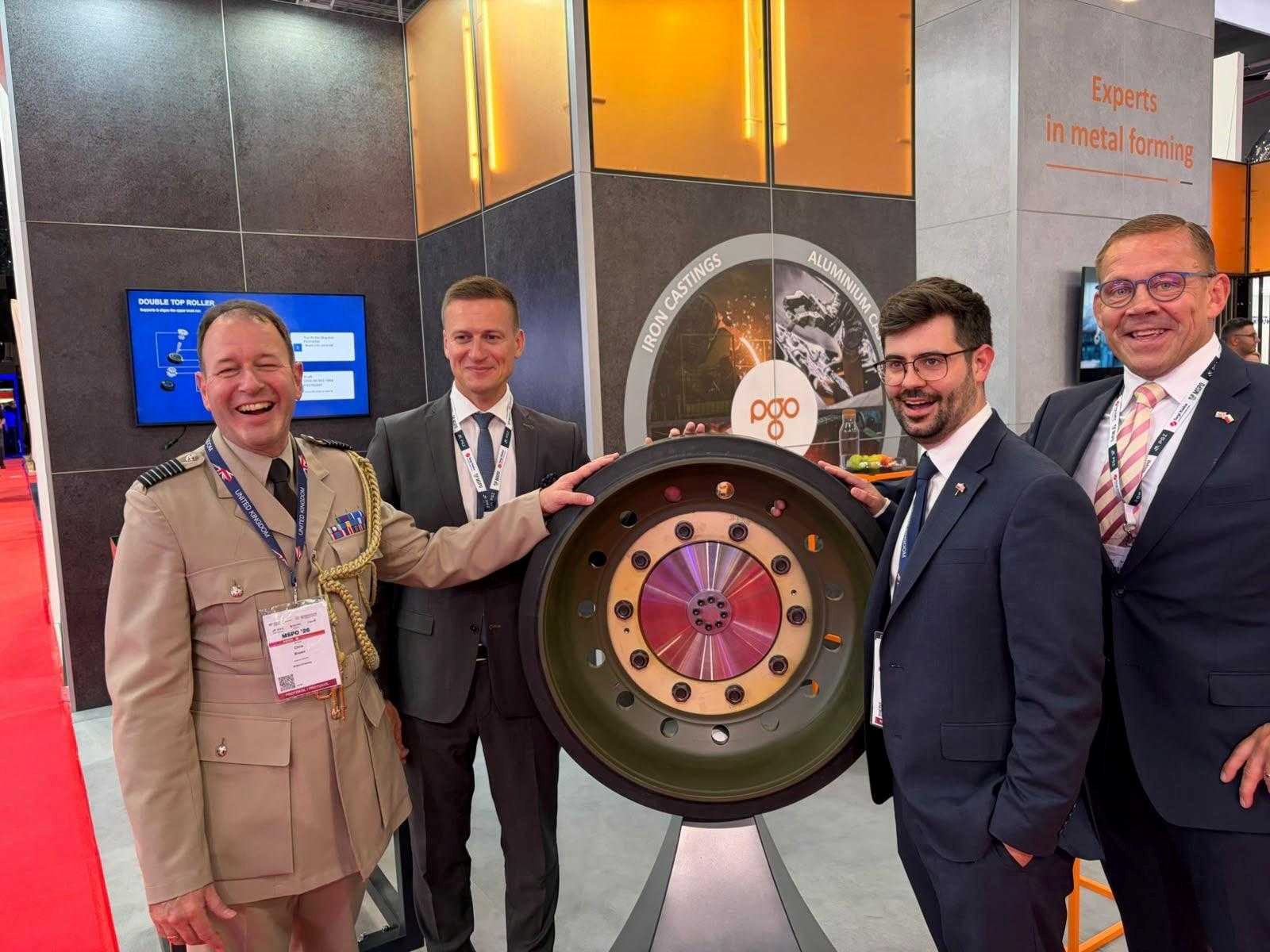
Headline image MSPO 2026 takes place in Kielce, Poland, 8-11 September (via Andrzej Marszewski)