17Tech Oy, a Finland-based accelerator for defence technology companies, is opening an R&D centre in Kyiv so that startups can validate and further develop their technologies as close as possible to the crucible of actual conflict, the company announced on 22 June.
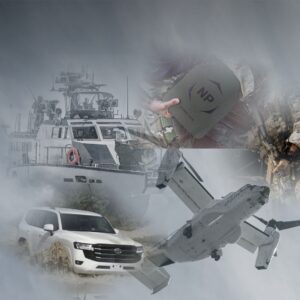
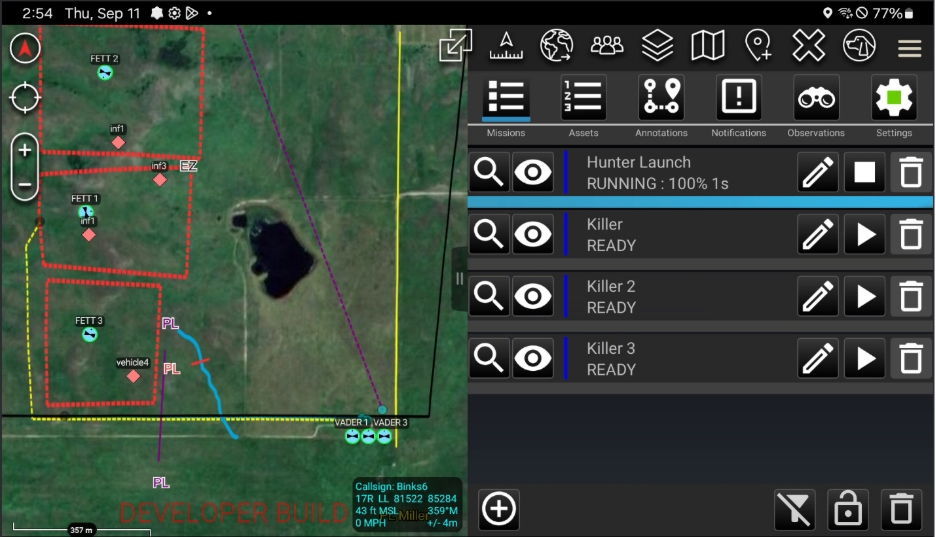
A new accelerator – for which 17 startups are scheduled to be recruited – opens on 1 September. Current startups that have received funding and support are active in various robotics disciplines, ranging from UAS, counter-UAS and components such as propulsion, UGVs and even containerised workshops facilitating frontline repair for robotic systems. Other disciplines of particular interest include electronic warfare, sensors, field logistics, protection solutions, decision-making support software, AI and AI-supported situational awareness.
The centre is one of the first joint European-Ukrainian initiatives established to develop and validate a broad range of new technologies against the rapidly changing requirements of modern war. It will provide users with access to military user feedback, expert validation and realistic testing environments. Once a product is sufficiently mature, it may also be evaluated under front-line conditions.
Early-stage defence technology companies often face a fundamental challenge: they can develop a technically impressive product without knowing whether it solves a sufficiently important operational problem. The new Kyiv centre is designed to close this gap by giving startups direct access to people with first-hand experience of modern war.
“In defence technology, an impressive demonstration is not enough. The product must solve a real problem, work in the intended environment and be usable by the people whose lives may depend on it,” explains Antti Kosunen, founder and CEO of 17Tech Oy. “Validation with Ukrainian soldiers helps startups understand what is genuinely needed in the field. It can guide them towards solutions that improve operational capability, protect soldiers and ultimately save lives.”
Initial steps will assess each startup’s assumptions, proposed use cases and understanding of the operational problem with Ukrainian soldiers and experts. Only after the problem has been validated will the focus move to developing and testing the solution. 17Tech calls this “mission-problem fit”, determining whether a problem is operationally important and whether soldiers would actually adopt the proposed solution. Direct feedback often totally changes the direction of product development.
The bottom line is not simply to approve an existing product, but to help founders make better decisions faster in an environment in which relevant experience takes pole position. “Ukrainian military units possess an exceptional amount of practical knowledge about which technologies work, which fail and why,” Kosunen says. “Our role is to connect startups with that knowledge and turn the feedback into better products. A company that can demonstrate that its solution has been assessed by soldiers and defence experts has much stronger credibility with defence forces, investors and international customers.”
DA Comment
Testing assumptions, questioning traditional methodologies and gaining experience-based insight into the often intractable problems of the modern battlefield have to be good things. Taking the opportunity to move those with good ideas closer to those who know how (and if) to use them has to be an even better one. DA intends to follow 17Tech closely – watch this space.
Headline image shows a UGV developed by Pulse-EV, a UK-based company in the current accelerator. (Pulse EV)