Andrzej Marszewski
While delivering RUSI’s Lord Trenchard Memorial Lecture on 26 October, Air Chief Marshal Sir Harv Smyth, Chief of the Air Staff, declared: “Managed correctly, AI can be better than a human.” He argued that combining AI with human operation would improve collective performance.
The Global Combat Air Programme (GCAP) is intended to give Britain, Italy and Japan a sixth-generation fighter. Edgewing, the international joint venture established by the three nations, envisages a fighter combining advanced sensing, long-range surveillance and strike while directing drones and other assets. Its military value will depend on how effectively that wider force works together.
At the heart of the debate lies the balance between crewed and uncrewed platforms. Smyth described AI agents conducting intensive simulated air combat training, highlighting autonomy’s freedom from human physiological limits. These offer good reasons to exploit AI, but simulation performance does not establish effectiveness across every combat mission.
Human control does not require a pilot inside every aircraft. GCAP must be judged against different ways of allocating people, sensors and weapons. The test is which combination delivers better results under realistic combat conditions and at what cost during sustained operations.
For GCAP, the 2035 service-entry target must be judged alongside the readiness of its accompanying autonomous platforms. The RAF’s 2024 Autonomous Collaborative Platform Strategy set a 2035 objective for seamless interaction with GCAP. Delivering both fighter and that combination are connected tests of the UK’s investment.
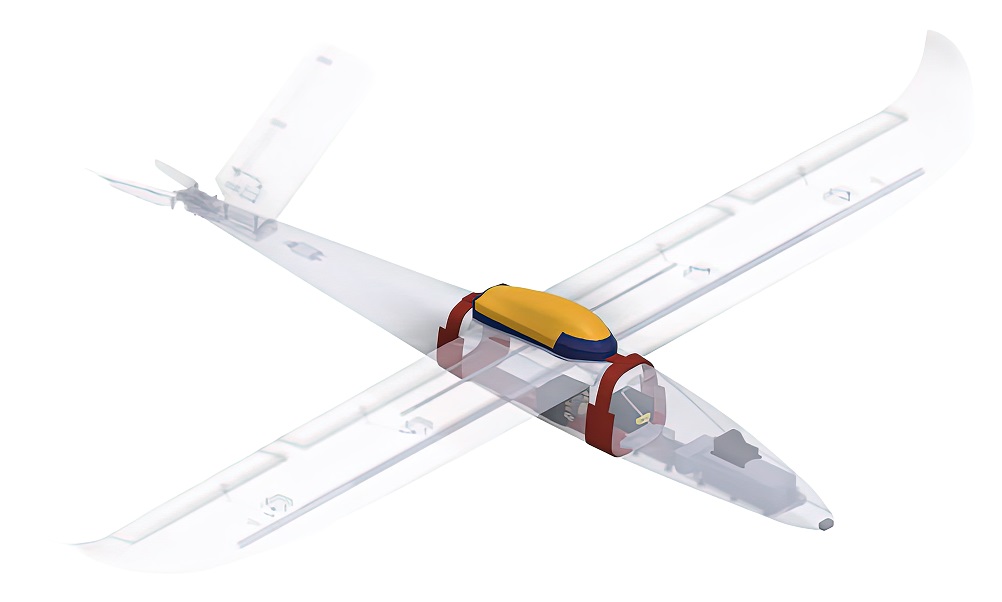
Smyth said the uncrewed StormFighter concept demonstrator could fly as early as 2027, ahead of the government’s earlier 2030 ambition. However, neither a projected flight date nor a successful one-off demonstration establishes evidence of deployable combat capability.
Political ambition needs military discipline. GCAP’s industrial expertise and international partnerships have deep strategic value. But a capable aircraft purchased in insufficient numbers, or one lacking the autonomous systems expected to multiply its effect, could deliver considerably less usable combat power than promised.
Ministers should report aircraft delivery and force readiness together, specifying what capability is expected in 2035 and the funded route to expansion. The assessment should include how many aircraft can be deployed, what missions they can undertake and how long the force can sustain them. Costs must cover the complete force, including weapons, support, maintenance and replenishment.
Trials should test the combination against disrupted communications and hostile EW, including the ability of operators and maintainers to sustain it. Exercises must also establish whether enough trained personnel are available to generate repeated sorties under pressure. Faster decisions count only if systems can distinguish targets, adapt to evolving threats and remain under appropriate human control.
The test is whether GCAP and the autonomy intended to amplify it are ready to fight together. That demands credible plans for training, integration and sustained operations alongside the aircraft’s delivery timetable.
Andrzej Marszewski is Defence Alternative’s Correspondent-at-Large
Headline image shows a rendering of the GCAP named fighter concept. (BAE Systems)