Tiberius Aerospace’s GRAIL – an AI-powered defence ecosystem – will be making technology validated during the conflict in Ukraine available to British manufacturers, the company announced on 9 April.
Connecting frontline demand directly to the industrial base, GRAIL enables swifter, more iterative delivery of critical capabilities, bringing together governments, primes, SMEs and innovators on a single secure platform. The solution shifts procurement away from static, programme-led cycles towards a continuous, demand-driven model of Defence-as-a-Service. The approach enables Britain’s dual-use manufacturing base to scale production of systems that have been tested and validated in real operational environments. The arrangement will provide the foundations for and a methodology to rapidly incorporate urgent operational requirements emerging from frontline activity and, by leveraging the benefits of GRAIL, strengthen national resilience through fast-paced production, while supporting an ally and increasing export growth. GRAIL is already available on Tradewinds, the US Department of War’s suite of tools designed to accelerate procurement and the adoption of data and analytics.
The agreement follows a significant policy shift to open export pathways for Ukrainian weapons systems, moving Ukraine from being a recipient of military support to an exporter of battlefield-proven innovation and technology. GRAIL provides a secure mechanism for allied nations to absorb and scale frontline technologies through distributed industrial production at speed and at scale. In doing so, it addresses a growing strategic imbalance. While adversaries iterate in real time, Western procurement systems currently remain constrained by long development cycles. The result is a widening gap between battlefield adaptation and industrial response.
Andy Baynes, Co-founder of Tiberius Aerospace, said “Ukraine has shown us that modern warfare evolves in real time. Systems are adapted in weeks, not years, and effectiveness is proven under fire, not in theory. On the ground, I saw engineers developing and deploying updates to weapon systems in days to counter rapidly shifting threats. If you’re not able to iterate at that speed, you’re not just slow, you’re obsolete. By making Ukraine-validated IP available on GRAIL for UK manufacturing, we’re creating a direct link from frontline innovation to British industry, thereby strengthening sovereign capability, supporting domestic jobs and accelerating production at home. This is about moving beyond static platforms to an ecosystem that evolves continuously at the pace of the threat.”
Achi, CEO of Ark Robotics, a European technology company with a strong presence across the Ukrainian battlefield said: “Ark develops autonomous, affordable robotic systems built for rapid deployment and shaped by real operational feedback. This constant pressure ensures our technology remains grounded in reality, driving clarity and reliability in our engineering. As a European company, we focus on testing and validating our systems so they are proven in real-world conditions. Through GRAIL, we can then access UK manufacturing capacity to scale production of these validated systems quickly and efficiently.”
DA Comment
This initiative illustrates one side of the furious debate currently occupying much of the UAS community – see Correspondent-at-Large Andrew Marszewski’s 7 April exposition here. While the development of exquisite capability is certainly important, the issue of being able to deliver an 80% solution tomorrow as opposed to a 95% solution in two years’ time is a powerful argument for immediate action. While this is a radical point of view and not one that resonates with the established hierarchy of the supply chain – or, indeed, the established process-driven nature of much of the procurement system – it nonetheless addresses the increasingly strident calls for disrupting those very processes and delivering sovereign, affordable and relevant solutions at the speed of need.
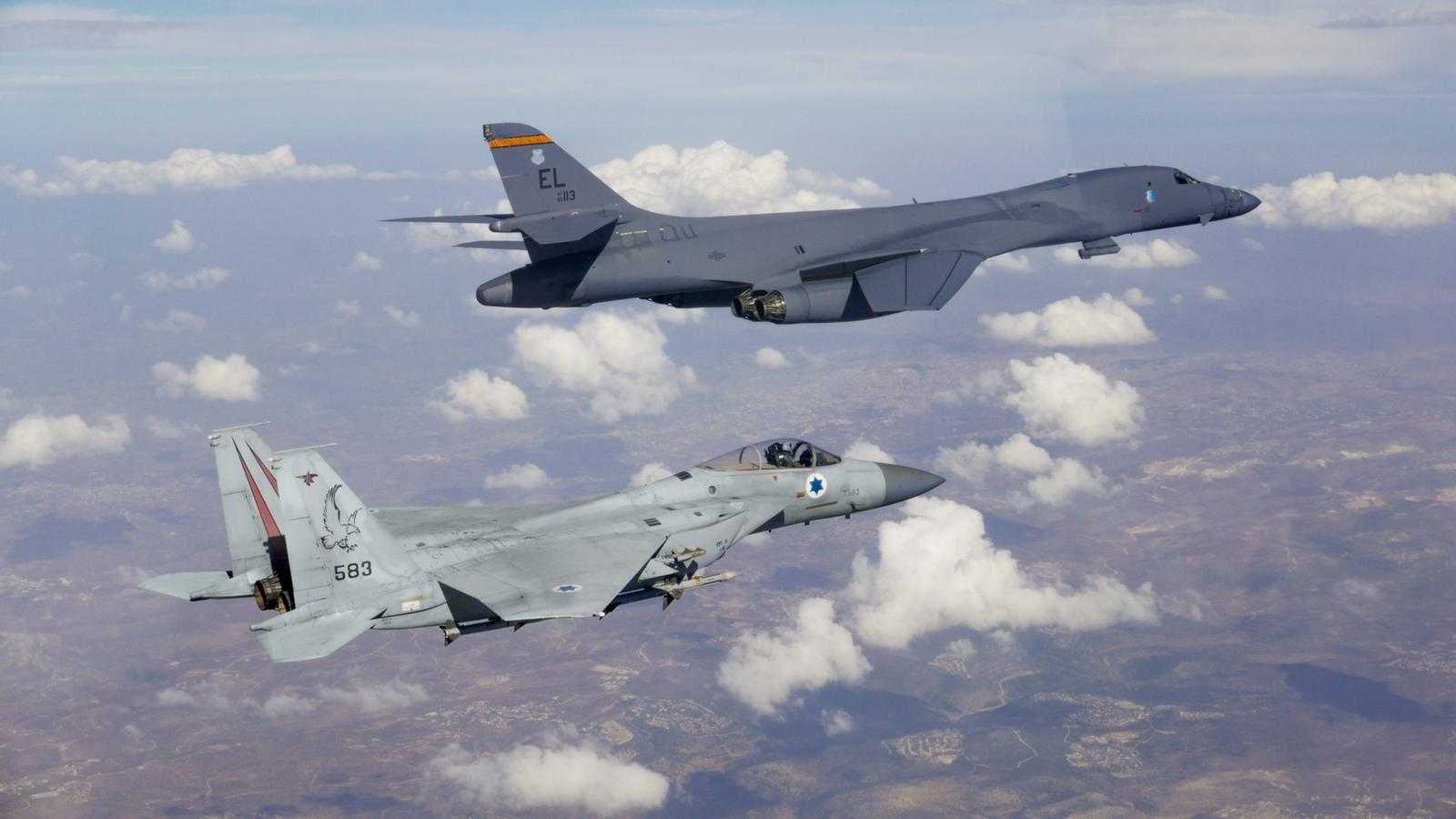
Headline image: The GRAIL system will enable battlefield-proven technologies and capabilities to be injected into the UK’s supply chain, accelerating the development of sovereign capability. (Tiberius Aerospace)