Israel’s Uvision and Tennessee-based Wayland Autonomy announced at AUSA in Washington on 12 October that Wayland’s IRIS airborne imaging payload has been successfully integrated into Uvision’s Tactical CORTEX architecture.
Tactical CORTEX builds on Uvision’s broader sensor-to-effect approach, providing situational awareness and common multi-platform mission-management layer across heterogeneous sensing assets and effectors. IRIS is a compact, platform-agnostic airborne ISR payload designed for wide-area mapping and target generation. Using AI-enabled onboard processing and communications-independent navigation, IRIS generates georeferenced imagery and accurate targeting information in flight, maintaining geolocation through jamming, spoofing and GPS denial. The dual-channel payload supports day and night operations and provides wide-area coverage at 2-7cm resolution with collection coverage rates reaching over200 km² per hour.
A Uvision HERO 400Q loitering munition equipped with IRIS, for example, can serve as a long-range ISR launched effect and airborne ‘quarterback,’ providing wide-area ISR, actionable targeting information and Battle Damage Assessment in support of a distributed HERO formation and other strike assets. Operating forward as an organic sensing and targeting node, the platform reduces dependence on separately allocated ISR assets while directly supporting coordinated precision effects over extended ranges.
At the tactical level, a HERO 120Q can operate as a similar ISR launched effect, providing tactical units with organic reconnaissance and target generation. The configuration supports operations launched from the ground, from airborne assets or from naval platforms. IRIS can also be integrated on third-party airborne platforms.
The integration demonstrates how UVision’s systems “are designed from the outset to support a Modular Open Systems Approach (MOSA)“, explained Itzik Huber, General Manager of Uvision, Inc. “This architecture allows forces to seamlessly integrate sensing and effects across platforms and operational domains, while maintaining the flexibility to incorporate new capabilities as mission requirements evolve.”
“Generating reliable targeting information over wide areas in real time when GPS is degraded or denied remains one of the most demanding challenges for airborne ISR […] IRIS is designed to address that challenge at the edge,” added Eatay Ben Shechter, Wayland Autonomy’s CTO.
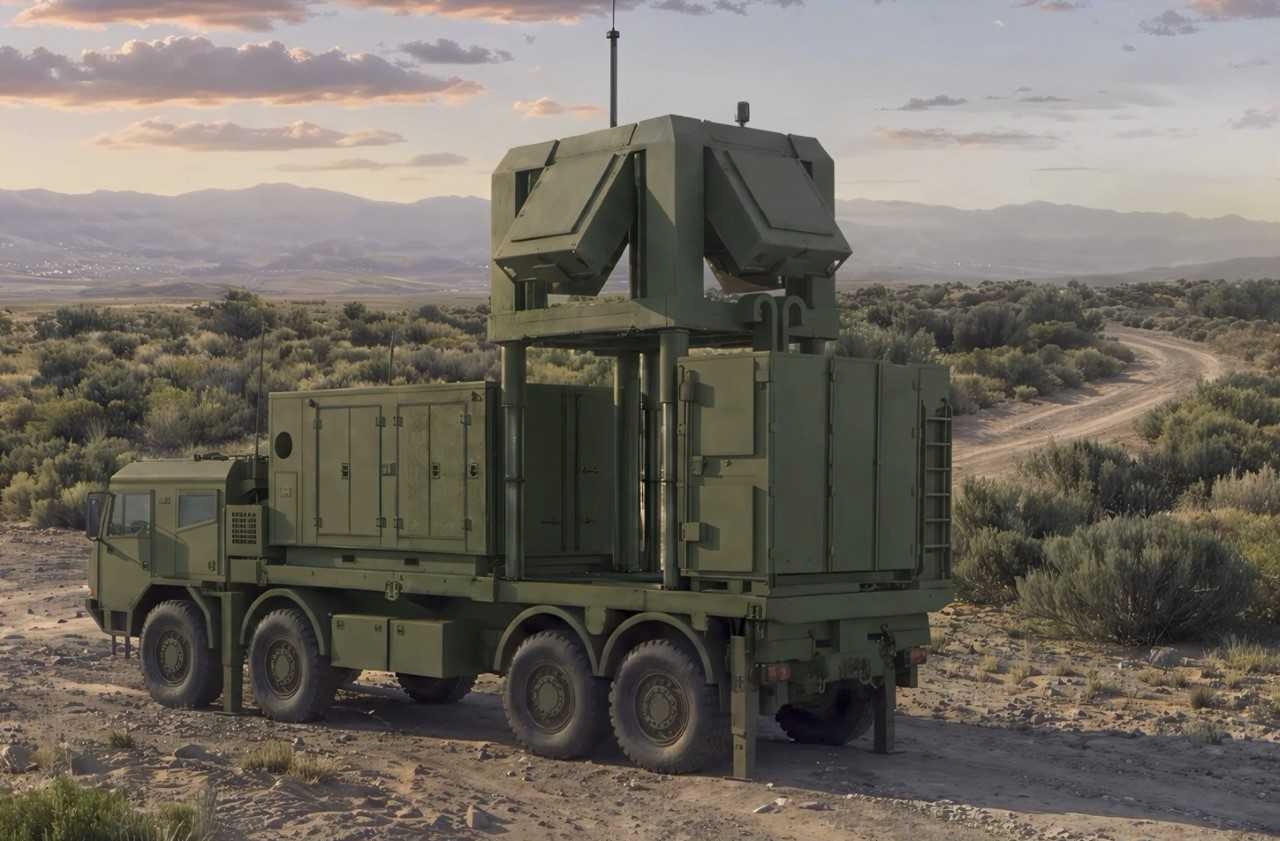
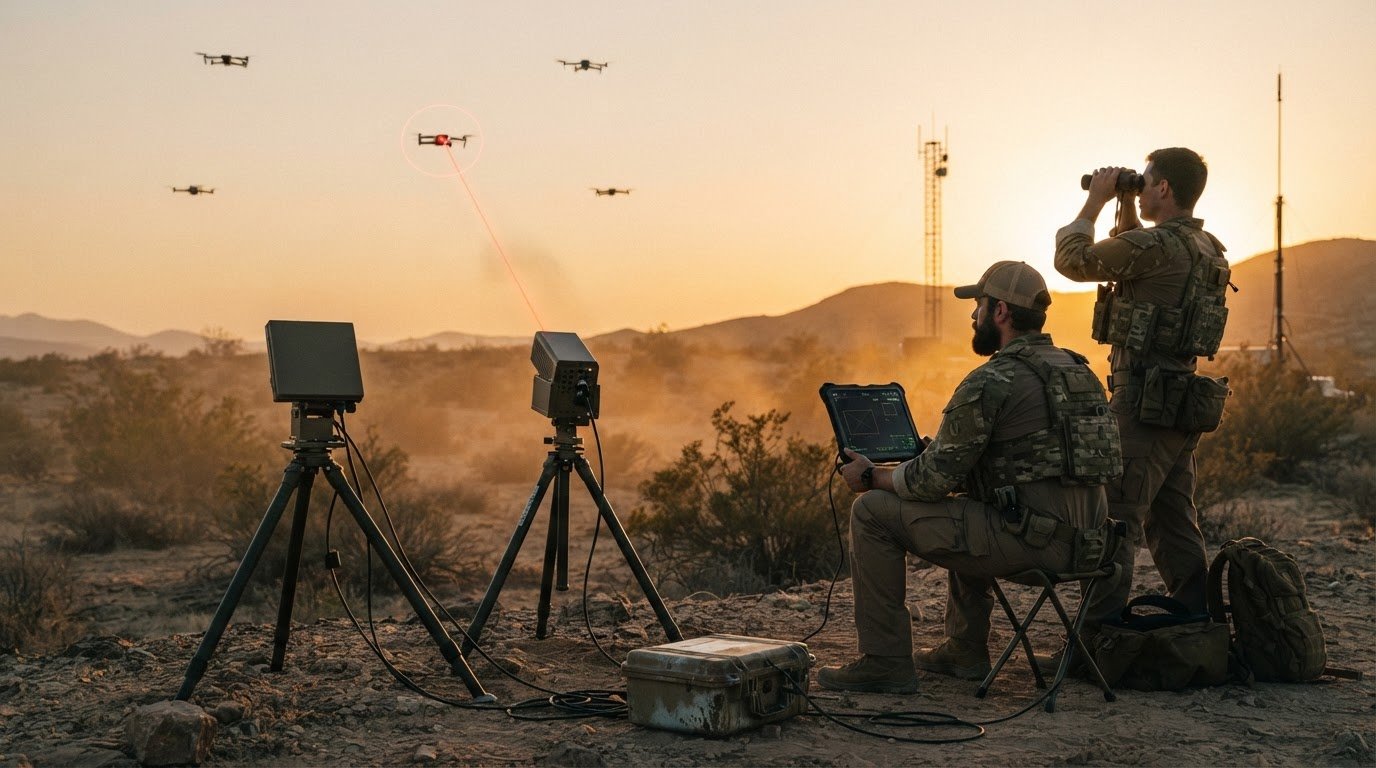
Main image shows Tactical CORTEX deployed. (Uvision)